


What is the key role of the sewing technique in the durability of a white embroidered silk dress?
Release Time : 2025-12-16
The durability of a white embroidered silk dress depends not only on the quality of the silk itself and the beauty of the embroidery, but also on the precision of the sewing process. From fabric pretreatment to needle selection, from stitch density to finishing techniques, every step directly affects the tear resistance, wrinkle resistance, and durability of the embroidered pattern, ultimately determining whether it can withstand daily wear and the test of time.
Silk, as a natural fiber, while possessing an elegant luster, is prone to snagging and tearing. Therefore, pretreatment before sewing is crucial. Professional factories use pre-shrinking processes to reduce the shrinkage rate of the fabric after washing, preventing distortion of the embroidered pattern due to size changes; simultaneously, starch or special sizing is used to enhance the adhesion between fibers, making the fabric more structured during sewing and reducing snagging caused by frequent friction. This seemingly insignificant step is fundamental to ensuring durability.
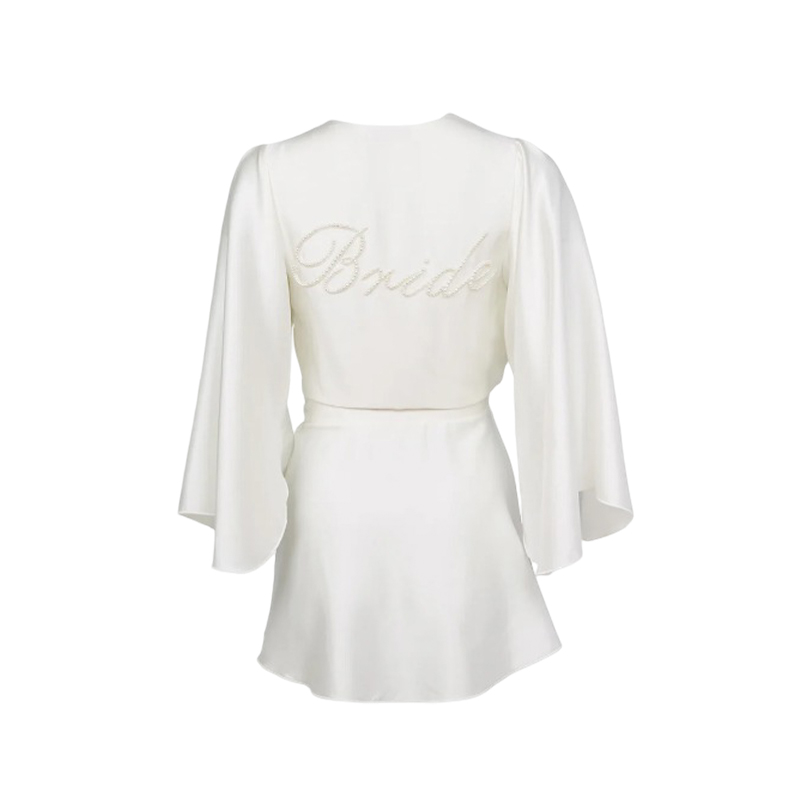
The sewing of the embroidered area must balance aesthetics and durability. Professional embroiderers select appropriate stitches and seam types based on the density and complexity of the embroidery pattern. For example, for large-area flat embroidery, reinforcing stitches such as "backstitch" or "seed stitch" are used, securing the stitches through backstitching or knotting to prevent the embroidery thread from coming loose due to pulling. For three-dimensional embroidery or goldwork embroidery, transparent lining or herringbone thread is sewn around the edges of the pattern to enhance the stability of the three-dimensional structure. Furthermore, the color matching between the embroidery thread and the base fabric is crucial. Special embroidery threads in the same or contrasting color family as the silk are typically chosen, enhancing the visual effect and concealing the stitches through color contrast, preventing snags caused by exposed thread ends.
Stitch density is a key parameter affecting durability. Too sparse stitches can cause the fabric to separate from the embroidery layer, while too dense stitches may damage the silk fibers. Experienced artisans adjust the stitch length according to the fabric thickness and the complexity of the embroidery. For example, when sewing intricate embroidery on thin silk, the stitch length is widened, and finer thread is used to reduce damage to the fibers. On thicker silk or in areas with heavy embroidery, the stitches are denser to ensure the pattern is secure. Furthermore, even thread tension must be maintained during sewing to prevent wrinkling of the fabric or breakage of the embroidery thread due to excessive tension.
The choice of seam type is equally important. The edges of a white embroidered silk dress, such as the neckline, cuffs, and hem, are prone to wear due to frequent friction. Reinforced seams such as rolled edges or backstitches are used, with multiple layers of fabric stacked to enhance tear resistance. Where the embroidery meets the fabric, facing or topstitching is used to ensure a tight fit between the embroidery layer and the fabric, preventing the pattern from curling up during washing or wear. For areas requiring slits or seams, artisans will add concealed zippers or snaps after sewing to maintain a clean appearance and prevent fabric tearing from frequent opening and closing.
The finishing process is the final step in enhancing durability. The completed white embroidered silk dress undergoes professional ironing, using low-temperature steam ironing to eliminate wrinkles created during sewing and to fix the stitches, preventing deformation after washing. For embroidered areas, localized low-temperature ironing is used to avoid damaging the luster of the embroidery threads with high temperatures. Furthermore, some high-end brands will apply a stain-resistant treatment after ironing, using nano-coating technology to form a protective film, reducing dust and stain adhesion and extending the cleaning cycle and lifespan of the white embroidered silk dress.
The durability of the white embroidered silk dress is the result of the combined effects of the fabric, embroidery, and sewing techniques. From pretreatment to needle selection, from stitch density to finishing, every step must be meticulously executed to ensure that the white embroidered silk dress not only exudes elegance but also withstands the test of everyday wear, becoming a timeless classic in any wardrobe.